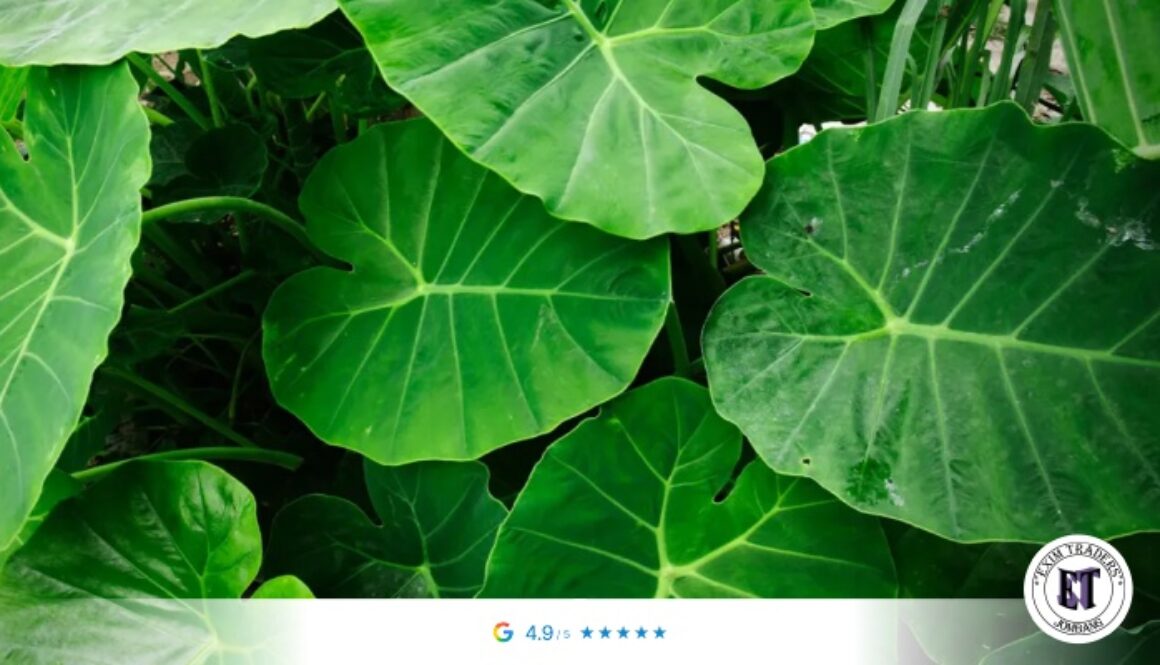
The Complete Guide to Taro Leaf Cultivation and Processing for Global Export Standards
The international trade in taro leaves (Colocasia esculenta) has expanded rapidly as commercial manufacturers in herbal, shisha, and tobacco-substitute industries seek high-quality, non-synthetic botanical raw materials. However, transitioning from raw agricultural foliage to an export-ready commodity requires strict adherence to international quality, safety, and physical standards. Achieving global export compliance demands an integrated, end-to-end framework spanning precision cultivation, controlled post-harvest conditioning, mechanical processing, and standardized packaging.
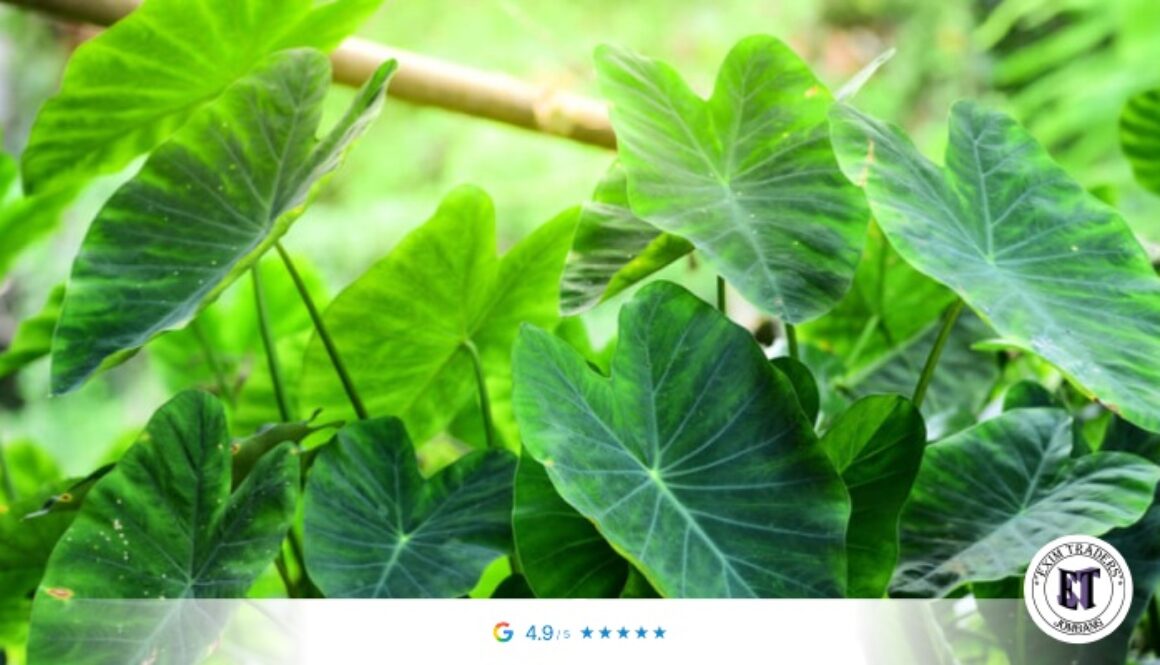
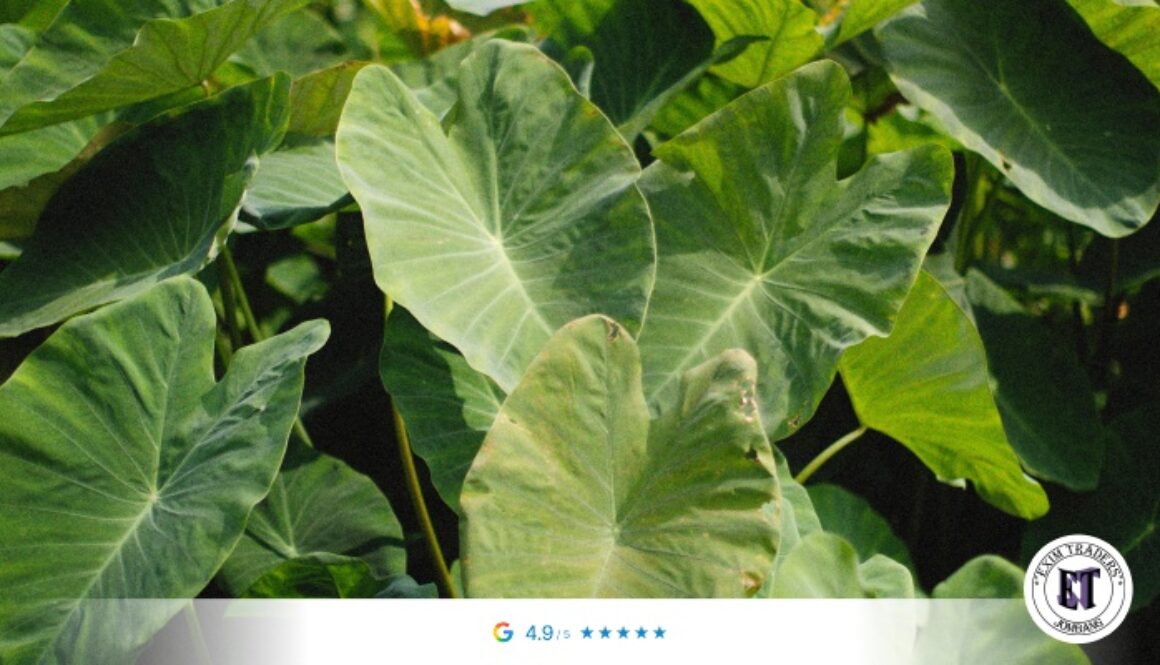
The journey to export-grade quality begins at the farm level. Cultivation must follow Good Agricultural Practices (GAP), utilizing superior taro varieties grown in nutrient-dense, well-aerated soils. Sustainable irrigation and balanced organic fertilization maintain plant vitality while keeping chemical residues well below international import thresholds. Leaves must be harvested manually at precise maturity stages—ideally during early morning hours—to minimize physical tearing and moisture loss. Immediate field sorting ensures that only healthy, undamaged foliage enters the processing pipeline.
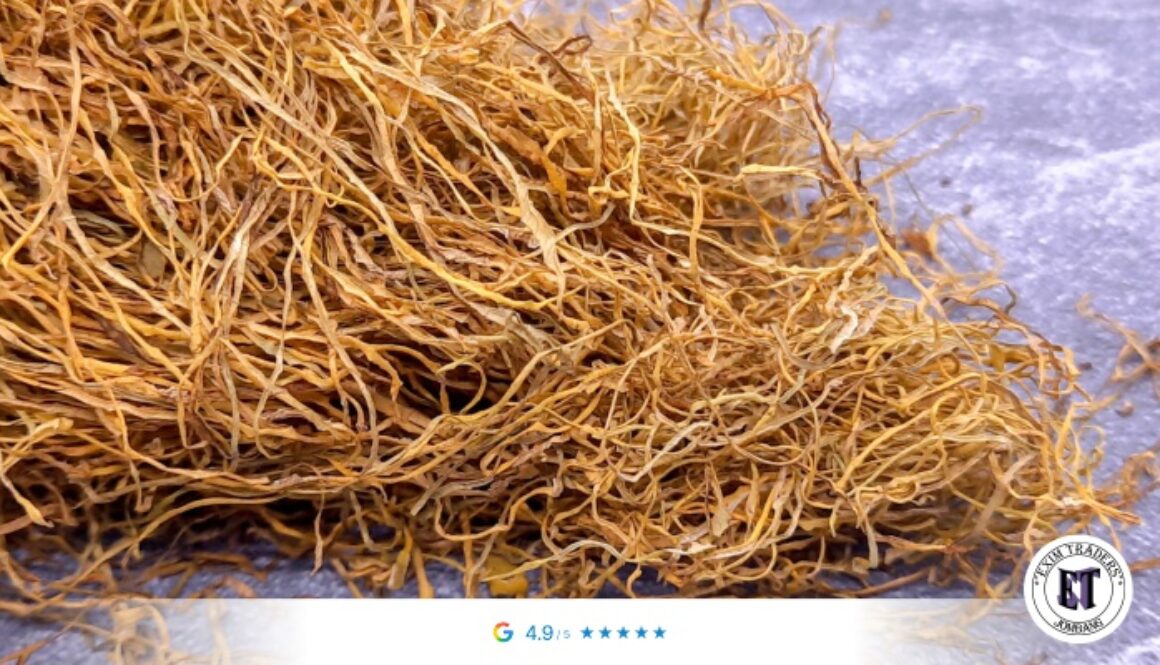
Post-harvest processing is the critical phase where raw leaves are transformed into a refined commercial product. The harvested leaves undergo controlled curing and fermentation in climate-managed environments. This vital step neutralizes natural calcium oxalate crystals and harsh organic compounds, softening the fibrous matrix and unlocking a smooth, pleasant aromatic profile. Following conditioning, the leaves are precision-sliced into uniform cut sizes (typically 0.5 mm to 1.0 mm) using stainless-steel industrial equipment equipped with dust-extraction and screening systems.
Drying and quality control seal the product’s commercial readiness. The sliced leaves are naturally sun-dried on elevated, food-grade mesh racks within covered solar structures, keeping the material clean from environmental contaminants. Moisture levels are stabilized strictly between 10% and 14% to prevent mold growth during long maritime ocean transit while preserving structural flexibility. Finally, the product passes through inline metal detectors and manual inspection tables before being sealed in moisture-barrier HDPE liners and multi-wall corrugated cartons. Complete with phytosanitary certificates, Certificates of Origin, and full lot traceability, the finished product meets the stringent regulatory demands of global import markets.
Mastering every step of this agricultural and manufacturing chain enables producers to deliver reliable, high-performing taro leaf raw materials. By combining disciplined farming techniques with modern post-harvest engineering, suppliers like CV EXIM TRADERS provide global buyers with pristine, shelf-stable products built for international commercial success.